Help Line
044 - 43539444

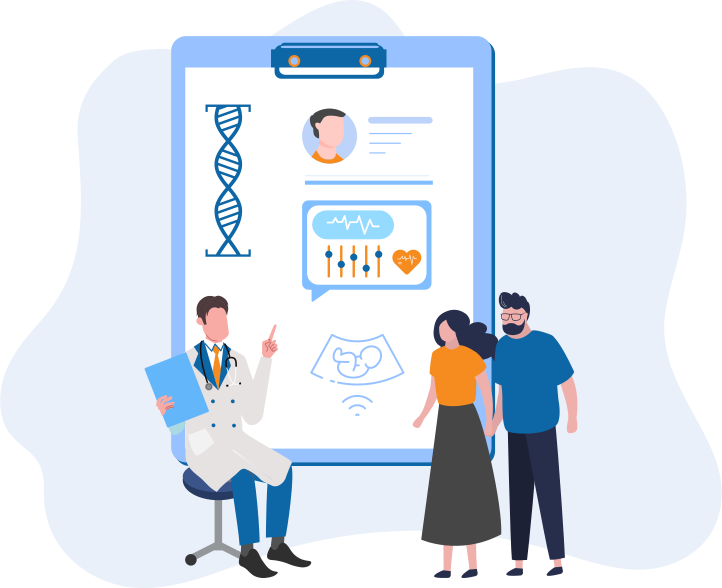
Genetic counseling is a specialized branch of science aimed at helping individuals, couples and families understand the genetic aspects of illness. It is a process through which knowledge about genetics is shared by a Genetic counselor for a person to understand and adapt the medical, Psychological, reproductive and familial implications of the genetic contribution to specific health conditions.
When there is a suspicion of a genetic condition in a newborn, a family history of cancer, a positive result in screening test for Down, Edward, Patau syndrome, previous child diagnosed with a condition, Bad obstetric history, infertility- these are a few examples of situations that confront patients with difficult information to be understood and assimilated along with an array of contradictory emotions. In situations like this, Genetic counseling plays an invaluable role in the process by offering specialized services within a clinical setting.
A Genetic counselor provides information on the inheritance of the condition, recurrence risks. Also, a Genetic counselor helps an individual to address the scientific and emotional issues that arise in such scenarios and actively help them make informed decisions based on the individual’s own values and circumstances.


Genetic Counseling appointments are quite different as compared to your doctor’s appointments. A genetic counseling session might last anywhere from 45 minutes to an hour, this is because it is an opportunity to ask questions, raise any fears or concerns that you have and learn more about genetics.
Also, previous Medical records (histopathology reports, doctors notes), Family members and their health, Major diseases in family, previous child affected, all of this plays an important role and is a key tool for Genetic counseling.
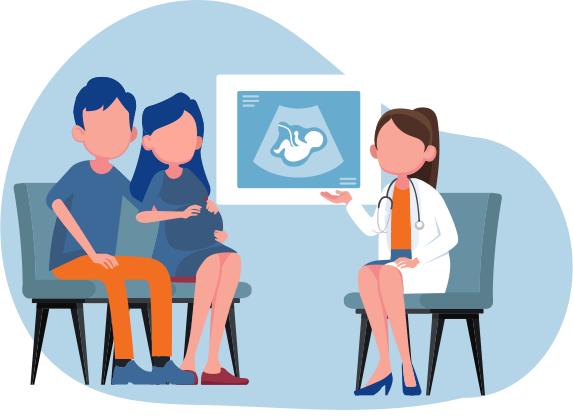

Genetic counselling is a process that involves evaluating a person's risk of inheriting or passing on a genetic disorder. Here are some of the aspects involved in genetic counselling:
Knowing when to refer to a genetic counsellor can be important for individuals or couples who are concerned about the risk of inherited genetic conditions. Here are some situations where referral to a genetic counsellor may be recommended:
Offered to all couples with or without any genetic condition in the family. Mainly for a couple who are planning to get married consanguineously. Also, for couples where, both the partners are deaf/ mute, or both the partners are blind. Proven or suspected genetic disorder in the proposed partner or his/her family member.
Planning to have a consanguineous marriage or marry someone with proven genetic disorders? We are here to offer the right guidance!
Preconceptual genetic counseling is available to couples who are planning a pregnancy, to discuss risks to a future pregnancy as well as available testing options. Common reasons to seek preconceptual genetic counseling are:
Planning a pregnancy? Worried about the genetic complications that might arise? We can help! Talk to us first!

It is available for couples who are pregnant.
Planning a pregnancy? Worried about the genetic complications that might arise? We can help! Talk to us first!
A referral to genetic counseling is extremely crucial for newborns or children suspected to have a genetic condition.
A genetic condition may be suspected because of clinical symptoms, birth defects, or developmental delays. The aim of genetic counseling in pediatrics is dual:
Worried whether your newborn has any genetic conditions that might hamper his/her growth? Let us walk you through the solutions and options!
Do you or your dear ones have any genetic health issues that need immediate attention? We can help you get a clear diagnosis and start the right treatment!
Trouble getting pregnant? Worried about genetic issues that might arise? Concerned about your future child’s health? Let us help you!